
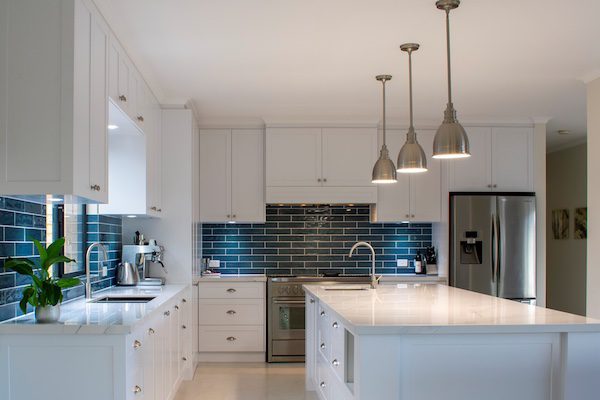
Kitchens sell houses.
That simple idea still rings true in a tougher real estate market, where buyers are more cautious, compare properties more carefully, and pay close attention to the spaces they use every day. When interest rates are higher or supply is uneven, buyers tend to scrutinise kitchens more closely because they know a dated layout can mean extra cost, extra time, and extra hassle after settlement. In that environment, a well-designed kitchen can do more than look good — it can help a home stand out, support stronger buyer interest, and improve perceived value.
Industry reports consistently show that kitchens remain one of the highest-return rooms to renovate in residential property. While exact figures vary by suburb, home type, and finish level, the pattern is clear: buyers often attach a premium to kitchens that feel functional, modern, and move-in ready. If you want a broader overview of the planning process,
Why Kitchens Are Crucial in a Tough Real Estate Market
In a slow or uncertain market, a kitchen becomes a visual shortcut for buyers. They use it to judge the age of the home, the care taken by the owner, and the amount of work they may need to do after buying. A tired kitchen can create immediate resistance, while a practical, well-finished kitchen can reduce objections before they become negotiation points.
That matters because kitchens are one of the first major spaces buyers mentally “price in” when they inspect a property. If the room feels cramped, impractical, or outdated, buyers often over-estimate renovation costs and subtract that amount from their offer. If the kitchen feels current, clean, and thoughtfully planned, the home gains momentum. In other words, the kitchen influences both buyer psychology and return on investment.
Ben Garcia, Senior Designer at Joyce Kitchens, puts it plainly:
“If you walk into a house and the kitchen is really old, it’s a definite turn-off. If you go into either a new or old house and the kitchen’s up-to-date with lots of good features and ergonomics, as well as good appliances, corner storage solutions and pantry space, that’s what home buyers are looking for because it actually makes their lives easier and more enjoyable.”
That insight reflects what many agents see every week: buyers will forgive some cosmetic flaws, but they struggle to overlook a kitchen that looks expensive to fix. For sellers, this means a targeted renovation can create leverage in price discussions. For investors, it can help reduce vacancy risk and improve the home’s marketability. If you’re comparing upgrade options, it also helps to understand whether you want to create a “wow” factor or simply increase property value with kitchen upgrades in the most cost-effective way.
At a practical level, the kitchen is also a lifestyle space. Buyers imagine breakfast routines, entertaining, school lunches, and everyday organisation. When a kitchen makes those tasks easier, it feels like a better home, not just a nicer room. That emotional response is often what turns interest into an offer.
What Home Buyers Look for in a Kitchen
Buyers do not always use the same language when they describe a good kitchen, but their priorities are surprisingly consistent. They want a kitchen that works smoothly, stores what they own, feels durable, and looks contemporary without being too personalised. If you want to learn more about kitchen ergonomics, think of it as the way the room supports the body, the workflow, and everyday movement.
Functional layout and ergonomics
Ergonomics matters because a kitchen should fit the way people actually cook. Buyers notice whether the fridge, sink, cooktop, and prep area are arranged sensibly, whether doors can open without conflict, and whether two people can work together without bumping into each other. The classic “work triangle” still helps, but modern kitchens also need clear circulation paths and enough landing space around appliances.
Good ergonomics includes bench heights, drawer placement, and the distance between zones. For example, under-bench ovens can be more accessible for some users, while wall ovens may suit households that want less bending. Island benches should be sized so they feel generous without making the kitchen hard to move through. In open-plan homes, buyers also value sightlines: the kitchen should connect to dining and living areas while still feeling organised. Thoughtful kitchen ergonomics can make a room feel significantly larger and easier to live in.
For homes with awkward footprints, smart planning becomes even more important. A skilled designer can turn a difficult corner into a practical storage zone, align circulation with where people naturally walk, and create a sense of calm in what could otherwise feel like a crowded room. For more ideas on efficient layouts.
Appliances and technology
Buyers are increasingly appliance-aware. They compare oven sizes, fridge integration, dishwasher placement, and whether the kitchen includes modern conveniences that support everyday life. A standard 600mm dishwasher may be sufficient in many homes, but families often prefer larger, quieter models. Induction cooktops are also rising in popularity because they heat quickly, are easier to clean, and feel contemporary.
Technology can add perceived value when it improves usability. Examples include integrated charging drawers, app-enabled ovens, smart refrigeration, soft LED under-cabinet lighting, and concealed power points in islands. These features are especially appealing when they feel integrated rather than flashy. By contrast, overly niche gadgets may impress during an inspection but not materially improve resale value.
Buyers also like kitchens that anticipate daily routines. Hidden bins, docking drawers, appliance garages, and dedicated coffee zones all make the room feel more organised. Even small technology choices can help a kitchen feel newer and better considered, which is often enough to influence a sale.
Storage and workflow
Storage is one of the clearest value signals in a kitchen. Buyers want a pantry that actually stores food, drawers that suit utensils and cookware, and corner solutions that do not waste space. Pull-out pantry towers, deep drawers for pots, and corner storage systems can make a kitchen feel dramatically more efficient.
Workflow matters just as much as capacity. Buyers will often ask themselves whether the room will be easy to keep tidy. If ingredients, appliances, and cleaning items all have obvious places, the kitchen feels less cluttered and more premium. That is why pantry space, bin planning, and thoughtful drawer widths matter so much. A kitchen that stores well is easier to live in and easier to sell.
Materials and finishes
Buyers often read quality through surfaces. Cabinet doors, benchtops, splashbacks, and handles communicate whether a kitchen has been thoughtfully built or simply refreshed. Neutral colours, durable finishes, and materials that wear well usually appeal to the widest range of buyers.
Matte finishes can feel modern and soft, while gloss can help smaller kitchens bounce light. Fingerprint resistance, scratch resistance, and easy-clean surfaces matter in family homes. Buyers also notice whether the finishes feel cohesive. A beautiful layout can still disappoint if the materials look mismatched or low-grade. In resale terms, it is usually better to choose quality finishes that age gracefully than to chase a trend that will date quickly.
Common Kitchen Design Styles and Trends
Kitchen trends come and go, but certain styles remain strong because they balance beauty with broad buyer appeal. The key is to choose a style that feels current without becoming so specific that it limits resale. Joyce Kitchens’ design team regularly works with clients who want a look that reflects their lifestyle now, but still supports market value later.
Hamptons style
Hamptons style is a coastal-inspired look that usually includes shaker-profile cabinetry, pale colours, decorative mouldings, and a bright, airy feel. It often uses marble-look benchtops, brushed metal handles, panelled ends, and softly layered finishes. The result is relaxed, elegant, and familiar to many buyers.
Typical buyer profile: Families, upsizers, and buyers who want a timeless, polished look.
Visual cues: Light paint colours, shaker doors, decorative corbels or mouldings, glass cabinets, and classic tapware.
Material pairings: Porcelain or engineered stone benchtops, subway tiles, brushed nickel or brass accents, and timber-look flooring.
Resale pitfalls: Too much ornamentation can start to feel heavy, and an overly “theme” driven Hamptons kitchen may lose appeal if every surface is decorated. Keep the palette clean and the detailing restrained.
Shaker kitchens
Shaker kitchens are defined by simple recessed-panel doors and a strong emphasis on function. They are often seen as classic and adaptable because they can lean traditional, transitional, or contemporary depending on the hardware and finishes used. That flexibility makes them highly popular with buyers.
Typical buyer profile: Broad market appeal, including families, downsizers, and renovators.
Visual cues: Flat or lightly profiled rails, clean lines, balanced proportions, and minimal fuss.
Material pairings: Matte painted finishes, stone-look benchtops, timber accents, and simple handle styles.
Resale pitfalls: The style can look too plain if the proportions are off or the colour palette lacks warmth. Good joinery and hardware are what make Shaker work.
Modern clean lines
Modern clean-line kitchens focus on uncluttered surfaces, minimal hardware, and streamlined details. This style often uses handleless cabinetry, integrated appliances, subtle textures, and a restrained colour palette. Matte cabinetry, full-height pantry doors, and concealed storage help the kitchen feel calm and contemporary.
Typical buyer profile: Professional couples, design-aware buyers, and people who want a low-visual-clutter home.
Visual cues: Flush cabinetry, slim profiles, hidden appliances, and monochrome or tonal colour schemes.
Material pairings: Porcelain, engineered stone, timber veneers, satin laminates, and dark hardware if contrast is desired.
Resale pitfalls: Minimal does not mean cold. If the palette is too stark, the kitchen can feel sterile. Warm timber or soft lighting can help balance the look.
Industrial design
Industrial kitchens are inspired by warehouses and converted loft spaces. They often feature concrete, darker metals, exposed textures, and robust materials. The style can look strong and edgy, but it needs careful balancing so it does not feel heavy or too niche for resale.
Typical buyer profile: Design-led buyers, inner-city homeowners, and those who prefer a bolder look.
Visual cues: Black tapware, concrete-look benchtops, darker joinery, open shelving, and mixed metals.
Material pairings: Timber to soften the look, matte black fixtures, brick or textured tiles, and durable benchtop materials.
Resale pitfalls: Industrial can polarise buyers if it becomes too dark, too rough, or too trendy. The best results usually come from using industrial details as accents rather than letting them dominate the whole room.
Ben Garcia explains that the strongest outcomes often come from balancing trend with restraint:
“People still want Hamptons and Shaker-style kitchens, but there are also a lot of people going for modern clean line designs with matte finishes. Industrial design has been growing in popularity too and the trick here is to ensure that if you’re using concretes and heavy materials, that you balance the cold industrial look with some warmth, which may be added through wood tones.”
Example case study 1 — typical outcome: A dated three-bedroom suburban home with a closed-off kitchen was updated with Shaker cabinetry, a large island, soft-grey painted doors, and a porcelain benchtop. The room felt brighter and more connected to the living area. During the sales campaign, buyers commented that the kitchen looked “move-in ready,” and the property attracted stronger early interest than comparable homes nearby.
Example case study 2 — typical outcome: An inner-city townhouse with an older industrial-inspired kitchen was refined rather than replaced. The owner kept the black tapware and concrete look but added warm timber shelving, better lighting, and improved storage. The result was a more balanced space that appealed to design-conscious buyers without feeling too harsh.
Materials and Technology Choices That Add Value
Materials affect value in two ways: they influence how a kitchen looks on day one, and they influence how well it will age over time. Buyers are increasingly attentive to cabinetry quality, benchtop durability, and surface maintenance. A kitchen that looks expensive but wears poorly can become a liability, while a kitchen made with smart, durable choices can hold its appeal for years.
Cabinetry and hardware
Cabinetry is the backbone of the kitchen. Solid timber can deliver warmth and longevity, but it is usually more expensive and may move with changes in humidity if not properly designed. Engineered board and MDF are commonly used because they are stable, versatile, and cost-effective. Veneers can provide the look of timber with a more controlled price point and a more uniform finish.
For resale, the important question is not simply “what is the material?” but “how is it finished?” Clean edges, precise alignment, quality hinges, and soft-close fittings all signal craftsmanship. Buyers may not know the technical details, but they can feel the difference. Durable hardware from reputable suppliers often makes a kitchen feel smoother and more premium.
When comparing cabinetry options, look at moisture resistance, thickness, edge sealing, and how the doors will perform over time. For most homes, a well-made engineered cabinet with excellent hardware will outperform a poorly detailed solid timber option.
Benchtop materials
Benchtops are one of the most visible parts of a kitchen, so material choice affects both style and perceived value. Porcelain is increasingly popular because it is highly heat resistant, UV stable, non-porous, and available in sophisticated stone-like finishes. It suits open-plan homes and bright spaces where natural light is strong.
Engineered stone is still a favourite because it offers a premium look and wide design flexibility. It is generally easier to live with than natural stone, though buyers are now more informed about durability, maintenance, and long-term performance. Concrete benchtops can create a bold, modern statement, but they can be heavy, require careful sealing, and may not suit every buyer. Laminate remains the most budget-friendly option and can be attractive in investment properties or low-cost updates, but it usually adds less perceived value than higher-end materials.
Typical cost/value view: In many Australian projects, laminate may suit a low-budget refresh, engineered stone can support a strong mid-market result, porcelain often performs well in premium renovations, and concrete works best when the overall design justifies the material choice. The real ROI depends on the suburb, the property value, and the quality of installation. A $20,000 benchtop upgrade in a modest home may not return as much as a carefully planned $8,000 refresh that lifts the whole room.
Finishes and durable surfaces
Durable surfaces help kitchens stay attractive between inspections and over the long term. Matte laminate, satin-pack finishes, high-pressure decorative boards, and easy-clean splashbacks all reduce maintenance. In family homes, buyers often respond well to finishes that hide fingerprints and wear more gracefully.
Colour also matters. Whites, warm greys, soft timber tones, and muted greens remain popular because they feel fresh without being aggressive. Strong colour can work if it is balanced, but resale kitchens generally perform best when the palette is broad enough to appeal to many buyers.
Technology integration
Technology should feel useful before it feels impressive. Smart ovens, induction cooktops, integrated rangehoods, app-enabled refrigeration, lighting control, concealed charging stations, and pull-out waste systems can all improve day-to-day use. These features can make a kitchen feel modern, especially when they are neatly integrated into the cabinetry.
That said, not all technology adds the same resale value. Buyers tend to reward convenience and cleanliness more than novelty. Built-in charging drawers, well-placed lighting, and quiet, efficient appliances usually add more market appeal than showpiece gadgets that are hard to maintain.
In many cases, technology contributes most when it removes friction. A better-lit prep zone, a fridge that sits neatly within cabinetry, or an induction cooktop that is easier to clean can quietly lift the sense of quality in the entire home. For many buyers, that seamlessness is exactly what they are paying for.
The Role of Expert Design Consultation
Great kitchens rarely happen by accident. They are usually the result of a detailed consultation process that turns lifestyle needs into a practical, buildable design. Ben Garcia’s background began in cabinet making before moving into design and sales, giving him a strong appreciation for how the smallest decisions affect the finished result. Ben has X years’ experience in cabinet making and design — confirm exact figure.
A strong consultation starts with listening. The first step is usually an initial site visit, where the designer studies the existing room, measures the space, and looks for structural constraints such as windows, plumbing, load-bearing walls, and awkward corners. The next step is a needs assessment. Typical questions include: Who cooks most often? Do you entertain? How much pantry storage do you need? Are children or guests in the kitchen at the same time? What appliances do you already own? What frustrates you most about the current room?
From there, the designer develops a brief and translates it into 2D layouts, then 3D renders, so the homeowner can visualise the space before committing. This stage is where ergonomics, budget, and aesthetics come together. It is also where trade-offs become visible: for example, choosing a larger island may reduce circulation space, or selecting a wall oven may improve access but change the storage plan.
Material selection follows once the layout has been refined. This includes cabinetry finishes, benchtops, handles, splashbacks, appliances, and hardware. A good designer will explain why one product is better than another in the context of the home, the household, and the resale goal. They should also provide a clear quote, a realistic installation timeline, and a handover process that explains warranties and aftercare.
Ben’s approach is to ask the questions that make the design genuinely personal, not just visually pleasing:
“Usually I will go into their home and ask them about their existing kitchen; what they like about the space (and what could be better); how they use the space; who cooks and cleans; whether there’d be children in the kitchen at the same time… It’s important to ascertain what the client requires in the space and how it needs to work for them.”
Homeowners choosing a designer or contractor should look for more than a nice portfolio. Ask to see recent projects, references, and clear examples of workmanship. Red flags include vague quotes, poor communication, unrealistic timelines, and no explanation of what is included. It also helps to ask who manages the installation, what quality checks are performed, and how issues are resolved if something is not right.
For a practical starting point, you can also Joyce Kitchens expert advice through our showroom team. A strong design consultation should leave you feeling informed, not pressured.
Insights from Real Estate Professionals on Kitchen Upgrades
Real estate professionals usually see the same pattern: when a kitchen feels outdated, buyers mentally discount the property. Linda Noble, Director of Noble Avenue, says the adjustment is often immediate and emotional, but it is also financial. Buyers do not just notice an old kitchen — they imagine the cost, effort, and inconvenience of replacing it.
“They’ll calculate what a kitchen will cost, generally over-estimating that cost, and deduct that amount from the advertised price. On the other hand, if the seller invests money prior to the sale, they’ll probably get a better net result.”
That is why pre-sale strategy matters. In many markets, a full renovation is not always necessary. Small upgrades such as repainting cabinets, replacing handles, improving lighting, updating the splashback, or installing a new benchtop can often deliver a better net return than a complete strip-out. These changes make the kitchen feel fresh without pushing the renovation budget beyond what the market will reward.
Linda also notes that decision drivers can differ between buyers. Her observation about women often leading kitchen decisions reflects a common pattern in family buying, where the kitchen is central to daily routines and household planning. At the same time, modern purchase decisions are more shared than they once were, and factors like parking, storage, entertaining space, and low-maintenance finishes all influence the final outcome.
“The kitchen is where that decision is made. It’s the hub of the home. If it’s already done and is of good quality, it’s a real bonus. On the other hand, as long as there’s a garage or perhaps a theatre room, most men tend to be happy!”
The best advice for sellers is to focus on upgrades that reduce buyer objections. If the cabinetry is structurally sound, refacing may be enough. If the benchtop is dated but the layout works, replacing it can refresh the whole room. If the kitchen is functionally poor, a more substantial renovation may be justified. For more on the value side of renovation planning.
How Joyce Kitchens Approaches Kitchen Design and Renovation
Joyce Kitchens has built its reputation on practical design, quality cabinetry, and hands-on service. Based in Osborne Park, the team combines cabinet-making knowledge with showroom-based design consultation so clients can see materials, compare finishes, and make confident decisions. The showroom approach is especially helpful for homeowners who want to understand how a material will look in natural light and alongside other finishes.
The process is centred on craftsmanship and communication. From the first consultation to installation, Joyce Kitchens focuses on how the kitchen will actually function in the home. That includes planning for storage, specifying durable finishes, and ensuring the installation is completed carefully. The goal is not just to create a beautiful kitchen, but to deliver a space that feels reliable day after day.
Visiting the showroom also gives clients access to knowledgeable advice about cabinetry, benchtops, hardware, and appliance integration. If you are comparing product options before committing.
Book a free in-showroom design consultation with Ben Garcia — call Sonia Voigt on 0413 076 205 or book online. If you would like a personalised recommendation, Joyce Kitchens expert advice is the best place to start. A well-planned kitchen can strengthen resale value, improve daily living, and make the entire home feel more complete.
Image suggestions: Use project photos with descriptive alt text such as “Hamptons-style kitchen with shaker cabinetry and porcelain benchtop, Joyce Kitchens project” and “Modern clean-line kitchen with integrated appliances and matte finishes, Joyce Kitchens showroom.”
Choosing the right kitchen upgrade is about balance: value, lifestyle, durability, and market appeal. If you are renovating to sell, focus on the features buyers notice first — layout, storage, finishes, and cleanliness of design. If you are renovating to stay, prioritise the workflow and materials that will make every day easier. Either way, a thoughtful kitchen is rarely wasted.
For help planning your next renovation, book a complimentary design consultation at our Osborne Park showroom or speak with Sonia Voigt on 0413 076 205.
Frequently Asked Questions
1. Why is the kitchen so important in selling a house?
The kitchen is often the emotional and financial centre of the home. Buyers use it to judge the overall condition, practicality, and style of the property. A dated kitchen can trigger cost concerns, while a well-planned kitchen can create confidence, reduce objections, and support a stronger offer.
2. What kitchen features do home buyers value most?
Buyers usually value a functional layout, good storage, quality appliances, durable materials, and a clean, contemporary look. Pantry space, corner storage, enough bench area, and easy movement between zones matter a lot. They also appreciate kitchens that feel bright, tidy, and simple to maintain.
3. How do kitchen renovations impact property prices in a tough market?
In tougher markets, buyers become more price sensitive and often deduct the estimated cost of a renovation from their offer. A well-executed kitchen update can reduce those objections, improve first impressions, and help the property compete more strongly against similar homes in the same price range.
4. What are the current popular kitchen design styles?
Hamptons, Shaker, modern clean-line, and industrial styles are all popular, but they suit different buyers. Hamptons and Shaker tend to offer broader resale appeal, while modern and industrial kitchens can feel more design-led. The best choice depends on your home, suburb, and target buyer.
5. Which benchtop materials are best for durability and style?
Porcelain is highly durable, heat resistant, and stylish, making it a strong premium choice. Engineered stone remains popular for its balance of looks and practicality. Concrete can create a bold look but needs more care, while laminate is affordable and suitable for lower-budget updates.
6. How can technology be integrated into kitchen designs to add value?
Technology adds value best when it improves convenience and daily use. Smart ovens, induction cooktops, integrated charging drawers, app-enabled refrigeration, and layered lighting are all good examples. Buyers usually prefer technology that feels built-in and practical rather than novelty items that are hard to maintain.
7. What should I consider when planning a kitchen renovation for resale?
Focus on broad appeal, functional layout, durable materials, and a neutral finish palette. Avoid highly personalised choices unless they suit the home’s style and market. It also helps to compare renovation cost against likely sale uplift so you do not overspend for the suburb or price bracket.
8. How do kitchen preferences differ between male and female home buyers?
Preferences vary by person, household, and lifestyle, but many professionals observe that women often place greater emphasis on kitchen functionality and everyday use. Men may prioritise other features more often. In practice, the strongest kitchens appeal to both by combining quality, convenience, and good design.