
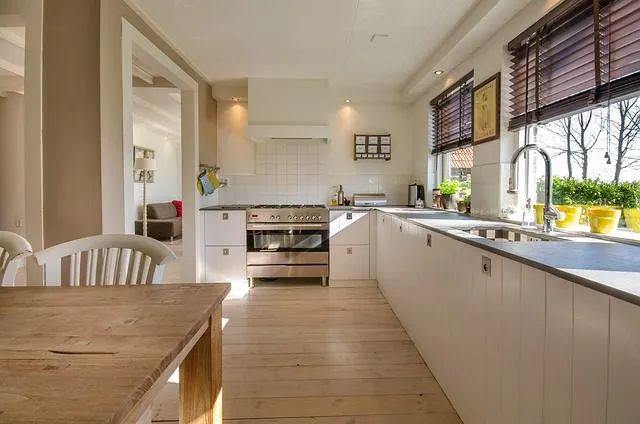
Transforming Your Kitchen: A Comprehensive Renovation Guide
By Joyce Kitchens Editorial Team — Last updated: 2026-05-23
Credentials: Our renovation content is reviewed by kitchen design and project planning specialists with 10+ years of experience in Perth home renovations. We focus on practical guidance for homeowners comparing layouts, materials, costs, and contractors.
Why Renovate Your Kitchen?
A kitchen renovation is one of the most practical upgrades you can make because it improves how your home works every day while also enhancing its long-term appeal. Many homeowners start with the same goals: better storage optimization, a safer cooking environment, and a layout that suits modern family life. If your current kitchen feels cramped, dated, or inefficient, a renovation can make meal prep easier, reduce clutter, and improve traffic flow around one of the busiest rooms in the house.
There is also a strong home value increase argument. In many markets, an updated kitchen is a major selling point because buyers notice finishes, storage, lighting, and appliance quality immediately. Remodeling Magazine’s Cost vs. Value data has long shown that midrange kitchen projects can recover a meaningful share of their cost at resale, although the exact percentage depends on location and scope (Remodeling Magazine, 2024). Actual ROI varies by market and scope; consult a local agent or valuer.
Energy efficiency is another major reason to renovate. New appliances with better energy ratings can reduce power use, while improved lighting and smarter ventilation can lower operating costs over time. In Australia, Star-rated appliances make it easier to compare efficiency when choosing ovens, dishwashers, and fridges (Energy Rating Label, Australian Government, 2024). If your old kitchen has worn wiring, poor ventilation, or outdated gas fittings, a renovation can also improve kitchen safety by bringing the space up to current standards.
Design-wise, a renovation lets you create a layout that better supports your cooking habits. For example, a family kitchen may need wider prep zones and durable finishes, while a compact apartment kitchen may benefit from custom cabinetry (made-to-measure cabinets built to fit your space) and vertical storage. You may also want to add a backsplash (the wall surface behind the counter and stove) that is easy to clean and ties the whole design together.
Step-by-Step Kitchen Renovation Process
A successful kitchen renovation usually follows a predictable sequence, but the details change depending on whether you are updating finishes or reworking the entire layout. A standard project may take 6 to 12 weeks of construction time, while design, ordering, and approvals can add several weeks before demolition begins. The biggest delay drivers are custom joinery, appliance lead times, and permit requirements.
Planning and Design
The first step in any successful kitchen renovation is to assess your family’s needs and habits. Visiting display kitchens Perth can help you visualise how different designs and layouts might work in your own home and assist you in identifying your preferred style. Start by mapping the kitchen layout design around the work triangle, which connects the sink, cooktop, and fridge. Good plans reduce unnecessary steps, improve traffic flow, and create enough bench space for prep and serving. This stage is also where storage planning matters most: think about pantry depth, drawer stack sizes, bin placement, and whether you need appliance garages or pull-out organisers. Many homeowners use a designer for this phase because they can spot issues early, but a DIY approach can work if the layout is simple and you are confident measuring accurately.
Budgeting should begin here, not after demolition. A common split is 30–40% for cabinets and joinery, 10–20% for appliances, 20–30% for labour, 10–15% for benchtops, and the remainder for flooring, lighting, splashbacks, and permits. Keep a running budget tracker and ask for itemised quotes so you can compare like for like.
Demolition and Preparation
Demolition usually takes 1 to 3 days for a standard kitchen, but preparation can take longer if hidden issues appear. Before anyone starts tearing out cabinets, check for hazardous materials such as asbestos in older homes or lead-based paint in very old finishes. Testing is especially important in renovations before 1990. Licensed contractors should isolate circuits, shut off gas, protect nearby rooms, and remove debris safely. Electrical and plumbing rough-in work generally happens after demolition and before cabinets are installed, so all new service locations need to be confirmed in advance.
- Shut off gas and confirm safe disconnection before demo.
- Isolate circuits so no live electrical lines remain in the work zone.
- Arrange waste removal for cabinets, tile, plaster, and packaging.
Installation of Cabinets and Fixtures
Cabinet installation is often the longest visual milestone because it transforms the room quickly. Modular cabinets can be faster and cheaper, while custom cabinetry gives you a better fit for awkward corners, tall ceilings, and premium finishes. Custom joinery often requires 4 to 12 weeks of lead time, so ordering should happen well before demolition is complete. Measure multiple times, confirm appliance clearances, and check wall and floor tolerances before anything is fixed in place. A common mistake is assuming an order-to-fit approach will work without a final site measure; it often leads to delays and costly rework.
Bench tops, sink cut-outs, splashbacks, and hardware are usually coordinated at this stage too. Where joinery is complex, professional installation is worth it because millimetre-level errors can affect door alignment, benchtop fit, and warranty coverage.
Appliance Installation
Appliances should be selected early because size, power requirements, and ventilation affect the whole design. Freestanding appliances are usually simpler to replace, while built-in and integrated appliances create a cleaner look but require tighter planning. Rangehoods need correct ducting or recirculation setup, and any gas connection should be completed by a licensed technician. In Australia, Star ratings help you compare energy efficiency across comparable products, so it pays to balance upfront cost against long-term running expenses.
Finishing Touches
The final stage includes door handles, trim, sealing countertops, final paint touch-ups, appliance commissioning, and a snagging list for minor defects. This is also when the installer confirms doors close correctly, taps don’t leak, and all appliances operate as intended. A final inspection should be completed before you sign off and make the last payment.
Kitchen Renovation Checklist
Use this sequenced checklist to keep your kitchen renovation on track. Each task has a typical owner and a rough duration so you can plan around lead times, approvals, and site access. A good project plan reduces stress and helps you track budget, scope, and deadlines.
- Pre-design brief — 1 to 2 weeks — Owner: define goals, must-haves, and budget.
- Measure and schematic plan — 1 to 2 weeks — Designer/Contractor: confirm layout, storage, and appliance positions.
- Quote comparison and budget tracking — 1 week — Owner: compare itemised quotes and confirm allowances.
- Order long-lead items — 4 to 12 weeks — Contractor/Owner: cabinetry, stone, appliances, tapware.
- Demolition — 1 to 3 days — Contractor: remove old kitchen and protect adjacent rooms.
- Rough-ins — 2 to 5 days — Licensed trades: plumbing, electrical, gas, ventilation.
- Inspections — 1 day each as required — Contractor/Inspector: confirm compliance before closing walls or installing joinery.
- Cabinet and benchtop installation — 3 to 7 days — Joiner/Installer: fit cabinets, counters, sink, and splashback.
- Appliance commissioning — 1 day — Licensed trades: connect and test appliances.
- Final inspection and snagging — 1 to 2 days — Owner/Contractor: note defects, test everything, and clean site.
Always keep a contingency of 10–20% for surprises such as rotten subfloors, outdated wiring, water damage, or a last-minute change in appliance model.
Cost of Kitchen Renovation: What to Expect
The cost of a kitchen renovation depends on size, layout changes, finishes, and labour intensity. For broad context, U.S. data from HomeAdvisor suggests average kitchen remodel costs commonly fall around the mid-$20,000s, with a wide range depending on scope (HomeAdvisor, 2023). For Australian projects, costs are driven more by local labour rates, product availability, and the level of custom work. Always quote in the local currency and confirm whether GST is included.
A practical rule of thumb is to think in percentages first, then translate those percentages into dollars. Typical spend areas include:
- Cabinets and joinery: 30–40%
- Appliances: 10–20%
- Labour: 20–30%
- Benchtops: 10–15%
- Flooring, splashback, lighting, and paint: 10–15%
- Permits and design fees: 5–10%
For a mid-range 12 m² kitchen, a sample budget might look like this: cabinets and joinery $12,000–$25,000 AUD, benchtops $4,000–$10,000 AUD, appliances $5,000–$15,000 AUD, labour $10,000–$20,000 AUD, and permits/design fees $1,500–$5,000 AUD. Those ranges vary by material selection, structural changes, and whether you choose custom cabinetry or modular units.
Permit fees are often small compared with the overall renovation budget, but they matter because they can affect your schedule and compliance obligations. Check your local council website and your builder’s advice before work starts, especially if your kitchen renovation includes electrical upgrades, gas alterations, structural work, or plumbing relocation. In Perth, permit and approval requirements can vary by suburb, building type, and scope, so it is best to confirm early rather than assume the work is exempt.
Cost Breakdown by Kitchen Size and Location
Geographic cost differences are real. Urban projects often cost more because labour rates, parking constraints, waste removal, and delivery access are less convenient, while regional work can add travel charges or reduce contractor availability. Material availability can also influence pricing, especially when you are sourcing specialty stone, imported appliances, or bespoke joinery. In general, the more custom the kitchen and the more complex the site, the higher the final cost.
Small Kitchen Costs in Perth
In Perth, small kitchen renovation pricing can sit below the metro average if the scope is straightforward, but it still depends on finishes and the amount of trade work required. Houzz’s Renovation Barometer reported Perth kitchen spending in the $20,000 to $30,000 AUD band in 2021 for many projects (Houzz Renovation Barometer, 2021). For a small kitchen under about 9 m², a basic renovation may start around $10,000 to $15,000 AUD if it includes modular cabinetry, laminate or entry-level stone benchtops, and standard flooring. A more polished small kitchen with upgraded tapware, splashback, and better storage can move into the $18,000 to $28,000 AUD range.
Those figures commonly include cabinetry, benchtop, flooring, basic electrical work, and installation. They may not include structural changes, asbestos removal, premium appliances, or major plumbing relocation.
Australian trade costs also vary by contractor quality and project complexity. Master Builders Australia notes that labour and compliance requirements can materially affect renovation pricing in capital cities, especially when licensed trades and certification are required (Master Builders Australia, 2024). That is why two quotes for the same kitchen can differ by thousands of dollars even when the design looks similar on paper.
Luxury and Premium Kitchen Costs
Luxury and premium kitchens typically start around $50,000 AUD and can climb past $150,000 AUD when the design includes custom cabinetry, imported stone, integrated appliances, structural changes, and bespoke joinery details. The cost rises quickly when the kitchen becomes a focal point of the home rather than a simple utility space. Features such as a large island with waterfall edges, hidden pantry systems, wine refrigeration, dual ovens, built-in coffee machines, and full-height stone splashbacks all add labour and material cost.
In this bracket, the price is not just about premium materials; it is also about precision. More site measuring, more coordination, and more specialist trades are needed to achieve a seamless finish. Marginal returns also deserve attention. A luxury kitchen may improve lifestyle dramatically, but resale value does not always rise at the same pace as spend. If the home sits in a modest price bracket, overcapitalising can reduce the return on investment even when the workmanship is excellent.
A good rule is to invest in premium features that improve daily use first: storage, ventilation, durability, and energy performance. Decorative upgrades should follow once the functional pieces are in place. This keeps the project elegant without losing sight of value.
Tips for Managing Your Kitchen Renovation Successfully
Good project management is what keeps a kitchen renovation calm and predictable. Start by agreeing on a single point of contact so decisions do not get lost between the builder, designer, joiner, and trades. Set a weekly communication cadence with short site reports that confirm progress, next steps, and any issues that need approval. This is especially useful when the job involves multiple contractors or custom materials with long lead times.
Ask for a written change-order process before work starts. If you decide to move a power point, change a cabinet size, or upgrade to a different benchtop, the cost and timeline impact should be documented before the work is done. That protects both sides and avoids disputes later. It also helps to schedule long-lead items early, including appliances, stone, and custom cabinetry, so installation is not delayed by backorders.
Be realistic about timing. Small projects can still run late if inspections are needed or hidden issues appear behind the old kitchen. A 10–20% contingency is sensible for most homeowners, and it should cover things like water damage, subfloor repairs, extra electrical work, or permit-related delays. If a contractor offers a timeline that sounds unusually fast, ask what assumptions are included.
When negotiating with trades, compare the full scope, not just the headline price. Confirm whether rubbish removal, protection sheets, demolition disposal, and final cleaning are included. Payment should follow milestones, not large upfront deposits, and it is wise to keep a small holdback until snag items are resolved. Before final payment, ask about warranty periods, maintenance advice for stone or timber, and whether you need any compliance certificates or lien waivers. These details are especially important when you are comparing options for how to budget for a kitchen renovation.
Case Study: A Small Perth Kitchen Renovation
A recent anonymised Perth project involved a compact 8.5 m² kitchen in an older brick home. The homeowners wanted better storage, a cleaner layout, and improved energy efficiency without overcapitalising. The original kitchen had dated laminate cabinets, a cramped fridge recess, and poor lighting. After discussing several options, the final plan kept plumbing in place to control costs but reworked the cabinet layout to improve the work triangle and add more drawer storage.
The renovation included modular cabinets with a custom pantry insert, a durable engineered stone benchtop, a new tiled backsplash, an induction cooktop, an efficient dishwasher, and upgraded LED task lighting. The total project cost came in at about $24,500 AUD, including labour and standard permit-related administration, but excluding a structural wall change that the owners decided not to pursue. Construction took just under five weeks once the cabinetry had been ordered, and the longest delay was the stone fabrication lead time.
The owners reported the biggest improvement was not just appearance but workflow. Meal prep became easier, the new appliance clearances made the space feel larger, and the deeper drawers reduced countertop clutter. While the kitchen was not a luxury build, it felt far more functional and modern. This is a good example of how a carefully planned kitchen renovation can deliver strong day-to-day value without pushing the budget into premium territory.
Conclusion
A well-planned kitchen renovation can improve comfort, safety, storage, and long-term value at the same time. The key is to plan early, compare itemised quotes, allow for a realistic contingency, and choose materials that suit both your lifestyle and your budget. If you are ready to take the next step, download our renovation checklist, review the planning sections again, or contact Joyce Kitchens for a consultation and quote.
Disclaimer: Costs are estimates only — local conditions, supply chain factors, site access, and project scope can significantly affect the final price. Obtain at least two detailed quotes before committing.
Author bio: The Joyce Kitchens editorial team creates homeowner-focused renovation guides for Perth and greater Western Australia. Our content is informed by years of kitchen design, project coordination, and trade-industry research, with a focus on practical budgeting and compliance-aware planning.
Frequently Asked Questions
What are the first steps to take before starting a kitchen renovation?
Begin by defining your goals, setting a realistic budget, and measuring the existing space. Then gather inspiration, identify must-have features, and speak with a designer or contractor about layout options, approvals, and lead times before ordering anything.
How long does a typical kitchen renovation take from start to finish?
Most kitchen renovations take 6 to 12 weeks of construction time, but the full process can take longer once design, approvals, ordering, and fabrication are included. Custom cabinetry, imported materials, and permit delays are common reasons schedules extend.
How can I budget effectively for a kitchen renovation?
Use an itemised budget with separate allowances for cabinets, appliances, labour, benchtops, and permits. Request at least two quotes, compare inclusions carefully, and keep a 10–20% contingency for hidden repairs or scope changes. A spreadsheet helps track every selection.
What permits do I need for a kitchen renovation in Perth?
Permit needs depend on the scope. Simple cosmetic upgrades may not need approval, but electrical changes, gas work, plumbing relocation, and structural alterations often do. Check your local council and ask your builder early so the project stays compliant and on schedule.
How much does a small kitchen renovation cost on average?
In Perth, a small kitchen renovation often starts around $10,000 to $15,000 AUD for a basic refresh and can rise to $18,000 to $28,000 AUD for higher-quality finishes. The final price depends on joinery, benchtops, appliances, and trade work.
What are the most important safety upgrades in kitchen renovations?
Prioritise safe electrical work, compliant gas connections, ventilation, and testing for asbestos or other hazardous materials in older homes. Replace damaged wiring, install proper smoke protection where required, and use licensed trades for any work involving gas, power, or plumbing.
How do luxury kitchen renovations differ in cost and design from standard renovations?
Luxury kitchens use more custom cabinetry, imported stone, integrated appliances, and bespoke detailing. They also require more design time and specialist labour. Costs often start at $50,000 AUD and can exceed $150,000 AUD depending on materials, scale, and complexity.
What should I look for when hiring a kitchen renovation contractor or designer?
Look for relevant experience, itemised quotes, clear timelines, insurance, and strong communication. Ask for references, confirm who manages trades, and check whether they handle permits and compliance certificates. A good contractor should explain cost drivers and update you regularly.